Spring 2026

Tiger at the Zoo

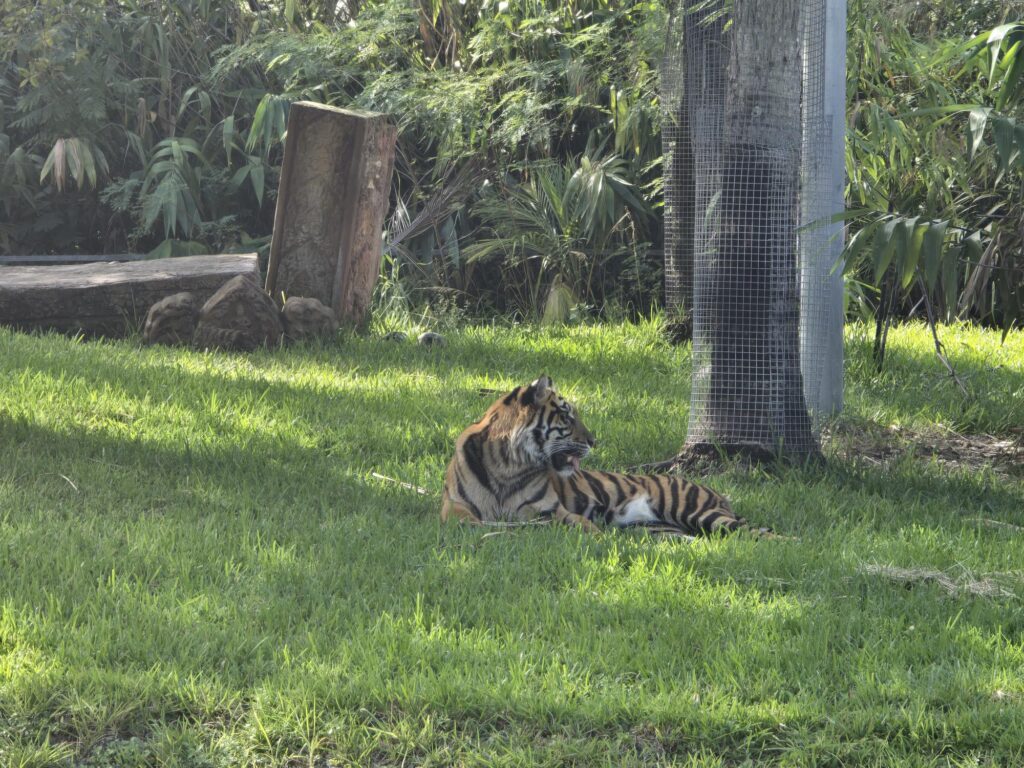
Original “Tiger at the Zoo” by Edward Konawicz CC BY-NC 4.0
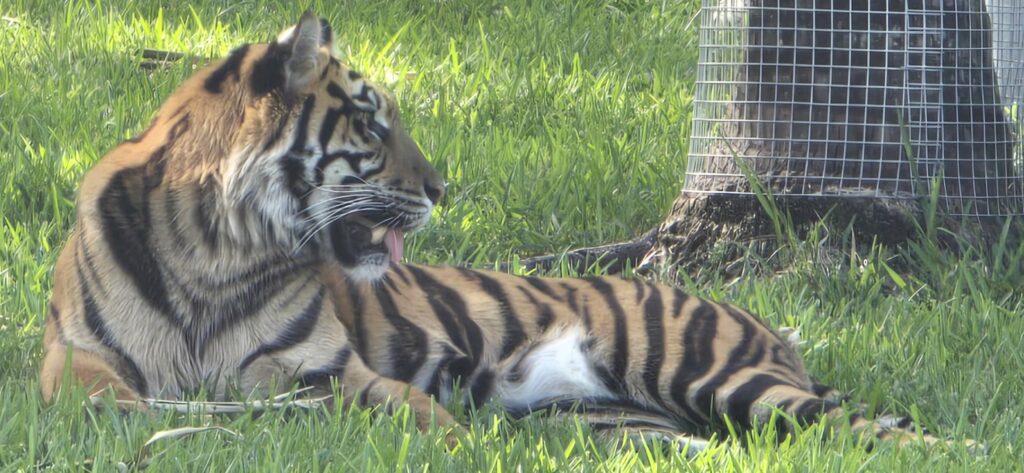
Derivative “Tiger at the Zoo” by Edward Konawicz CC BY-NC 4.0

I took this picture while on a trip to Zoo Miami with my wife, and at the time, I wasn’t thinking about framing. The original shot is of the tiger in the center of the photograph at full zoom, since it was pretty far away. After learning about the rule of thirds, I cropped the image so the tiger’s head and eyes are off-center in the upper-left quadrant, so he is looking out toward the horizon. The purpose is to create a more dynamic and engaging picture. This also removes the unnatural box higher up in the image and places the focus on the tiger, allowing you to use your imagination to see what he is looking at. I believe it adds a sense of mystery and wonder that the original image had less of. Furthermore, it being a closer shot also allows you to appreciate the tiger’s colors and fur much better and less focus on the trees. I enjoyed all the pictures I took that day, however, I do appreciate the change made to this one.
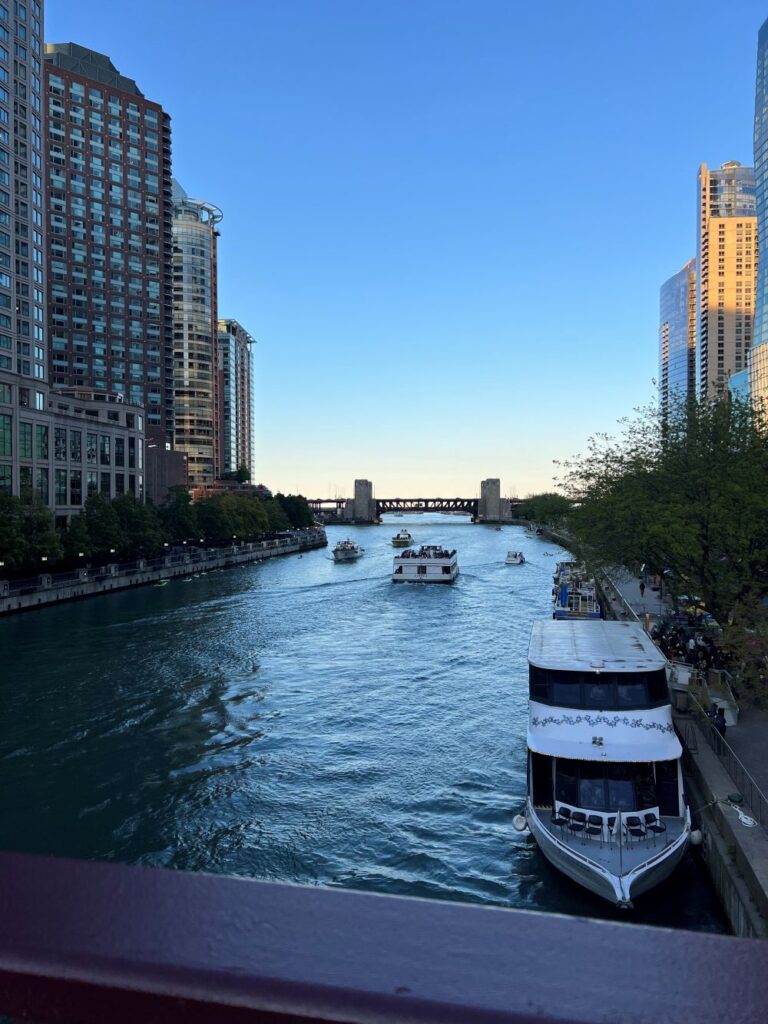
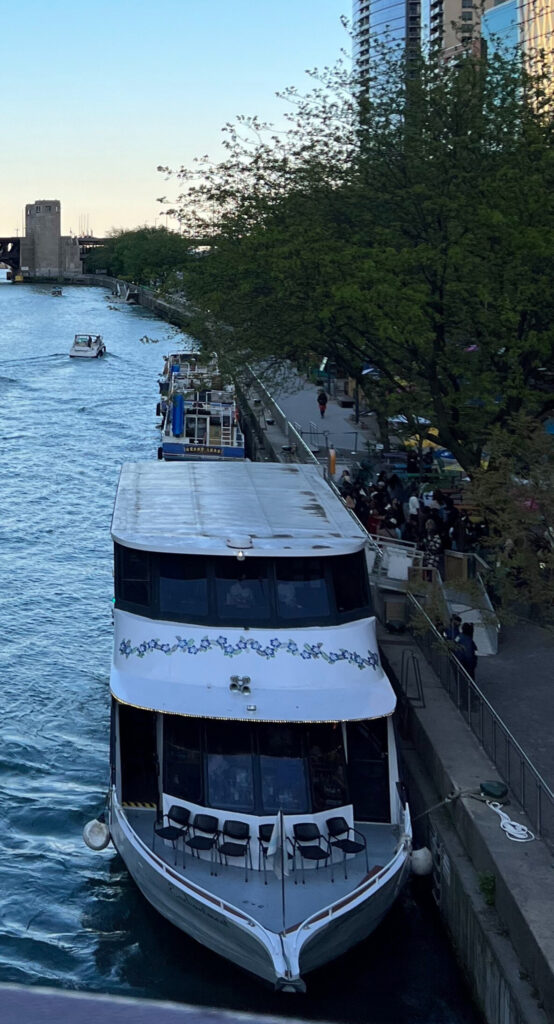
Once Upon a Chicago Boat Ride

Sunset on the water in Chicago, 2025, by Alih Rosa, licensed under CC BY 4.0

Waiting In line for the boat ride, 2025 by Alih Rosa, licensed under CC BY 4.0

I took this photo during a trip to Chicago in May of last year. No matter what time of day I walked past the river, there were always architecture boat tours taking place. The original photo captures many aspects of the city, including the river, buildings, boat tours, and the setting sun. In the cropped version, I chose to emphasize one of the boat tours. Cropping the photo shifts the narrative from a general city landscape to a personal city experience by focusing on the line of people waiting to board. Details, like the flowers on the boat and people taking a stroll, become more focal and tell a more individual story.

Zoomies in the Wild: Caught on Camera

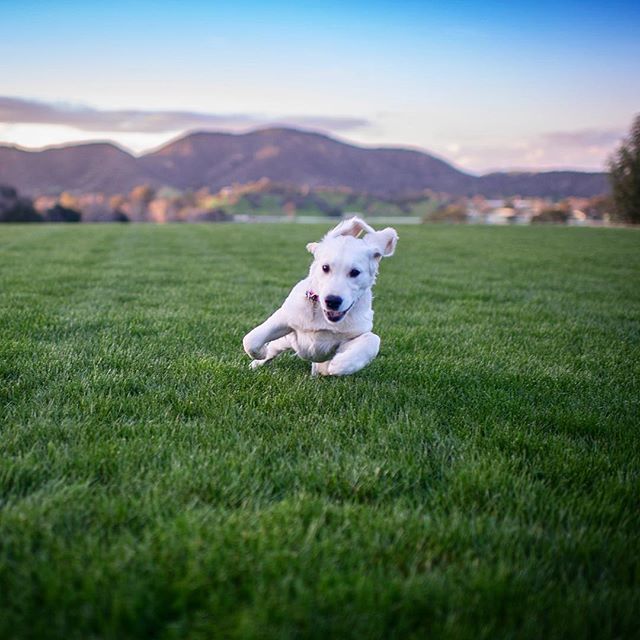
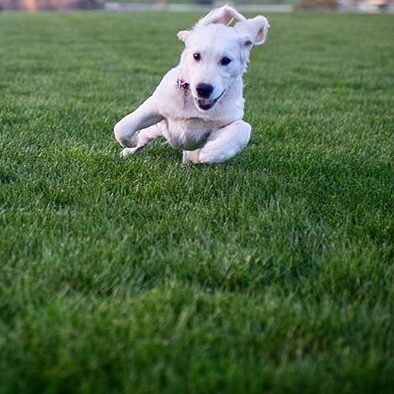
I chose this image (left) from Flickr because I was initially intrigued by the view of the mountains and the nice view of the calm sky as the sun seemed to be setting. While nothing was wrong with the original image, I began to look more at the image because I wanted to see how cropping and reframing the image to focus on the small white dog would change how it made me view the photo. The original image by Alex Beattie illustrates a small white dog running across an open field with a view of the sun setting with distant mountains. The image overall focuses on the view and the calmness of the setting, with the small white dog being an afterthought.

After cropping and reframing the image (right), the focus is automatically put on the dog as the depth of the image changes. By removing the sky and the view of the mountaints, the image is now more focused on the dog’s range of motion, energy, and expression. The dog is now centered, giving the image a feel of the dog running right towards the viewer, as we get to see the joy on the dog’s face. The image now looks as if the dog is in a random yard, playing freely.

The change shows how cropping and reframing can really alter the way an image is perceived. The change of contextual elements changes the original narrative that the original artist wanted us to see. The cropped image encourages the viewer to connect more with the dog, rather than enjoying the calming view of the scenery surrounding it.

Original: “I was taking a photo of the beautiful Santa Monica Mountains ⛰ and wouldn’t you know it… Althea photobombs my landscape photo… oh well 😔 😍🐾💕🐾” by Alex Beattie is licensed under CC BY 2.0.

Derivative: “Zoomies in the Wild: Caught on Camera” by Destiny Rogers, licensed under CC BY-SA 2.0. Cropped from the original.

On Looking Up

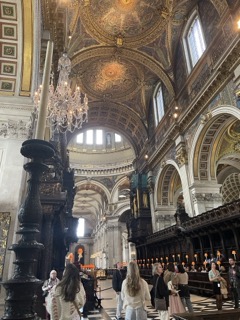
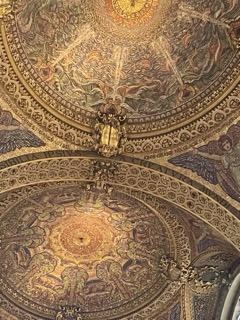
St Paul’s Cathedral Visit Reworked by Hannah Hargraves licensed under CC-BY 4.0 St Paul’s Cathedral Visit Reworked by Hannah Hargraves licensed under CC-BY 4.0

In the summer of 2024, my family and I visited London and Paris to celebrate my bachelor’s degree. One of many stops was St Paul’s Cathedral in London, a stunning church that is almost overwhelming with its beauty and vastness. Tall ceilings are accompanied by stained glass and murals.

When cropping this photo, I wanted to focus more on the details. The original image has a lot to take in, so I found a focal point and zeroed in on it. I cropped the image to focus on the beautifully detailed ceiling, the gold making it almost glow as if a light was shining on it, drawing my eye. The photo is simplified, cropping out the people and many details of the church that catch the eye to focus on one point in the room, the ceiling.

Once I cropped the photo, I also brightened it up a little to allow the details of the image to be clearer and the warm color to shine through. The photo is not centered following the rule of thirds, with one circular detail in the corner and the other uncentered.

The Jellyfish

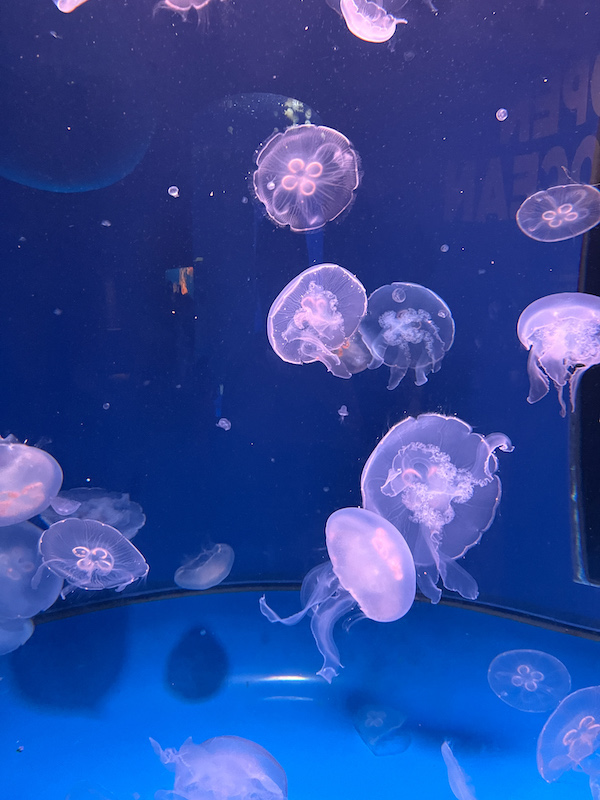
The Jellyfish by Emma Preston. 2025. Licensed under CC BY 4.0.
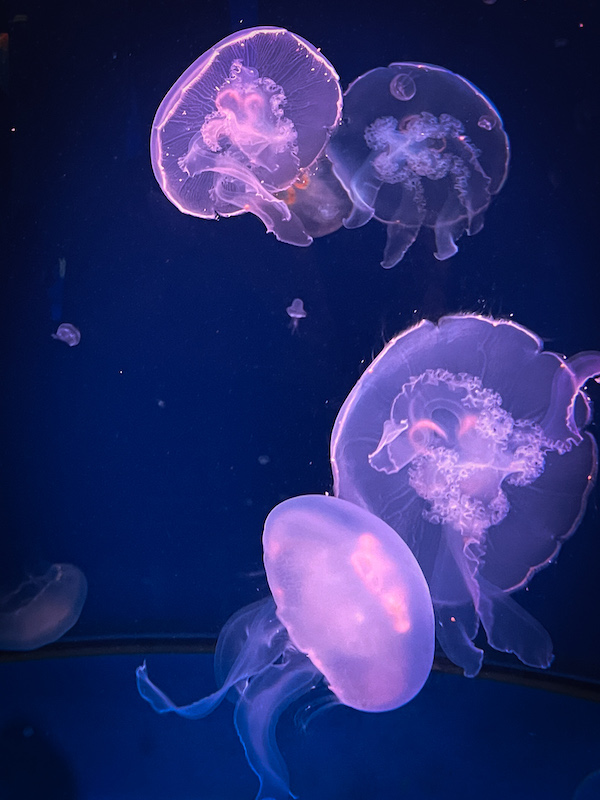
The Jellyfish (Reworked) by Emma Preston. 2026. Licensed under CC BY NC-SA 4.0.

For this assignment, I chose to rework an image I took at the Kansas City Zoo last year in the aquarium exhibit. I cropped the image to focus in on the two largest jellyfish, using the rule of thirds to draw the eye towards them as the focal point. I also darkened the image and added highlights to illuminate the the glowing details of the jellyfish. I felt the original image had too many details for one to take in, so I narrowed in the the details I wanted to be noticed.

Innocent Skydiver Accidentally Destroys Downtown

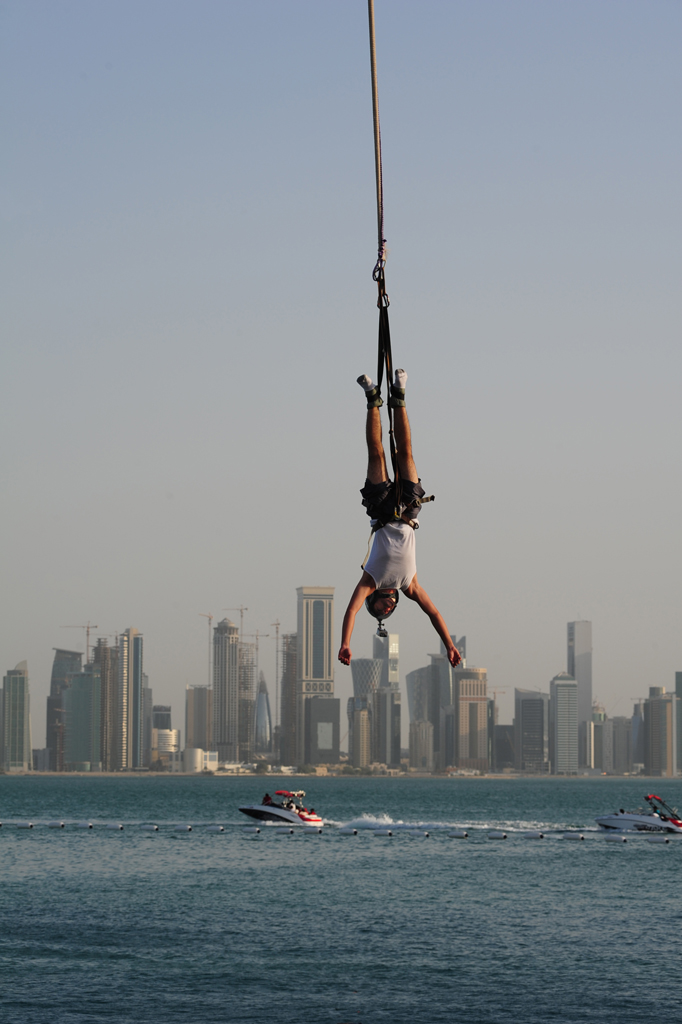
Bungee Jumping at the Peal Qatar” by SJByles is licensed under CC BY-SA 2.0.

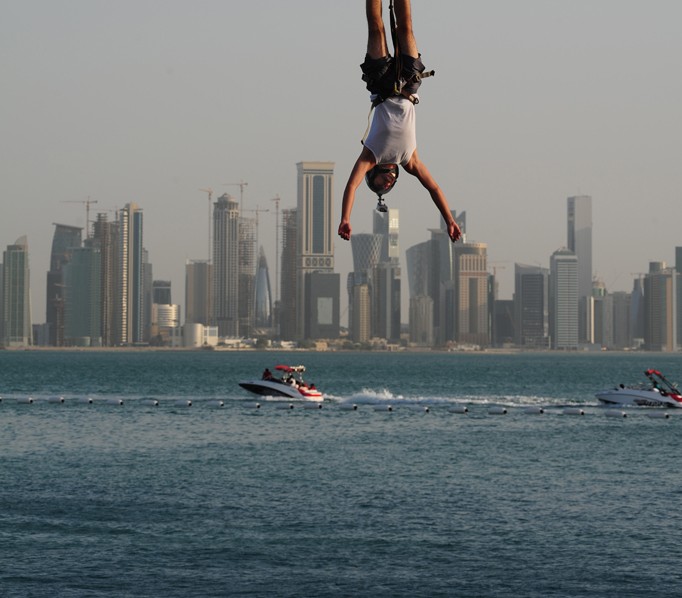
“Innocent Skydiver Accidentally Destroys Downtown” by Aedan Bennett is licensed under CC BY-SA 2.0.

I chose an image from Creative Commons because I wanted to see if I could change a stranger’s photo to mean something completely different. The original photo is of a bungee jumper over the water in Qatar and he is the focal point of the image along with the long rope above him that contrasts plainly with the open sky of the top half of the original.

In the second image, he is transformed into a giant skydiver who finds himself hurtling down towards the city below him, about to destroy it. By cropping out the rope and removing the top half of the image, the image lacks context and while, of course, no one would read this new image as a giant skydiver, it shows the way cropping and framing are important to give context for the photos you take, especially about who the subjects are and what they are doing.

A Quiet Moment Reframed

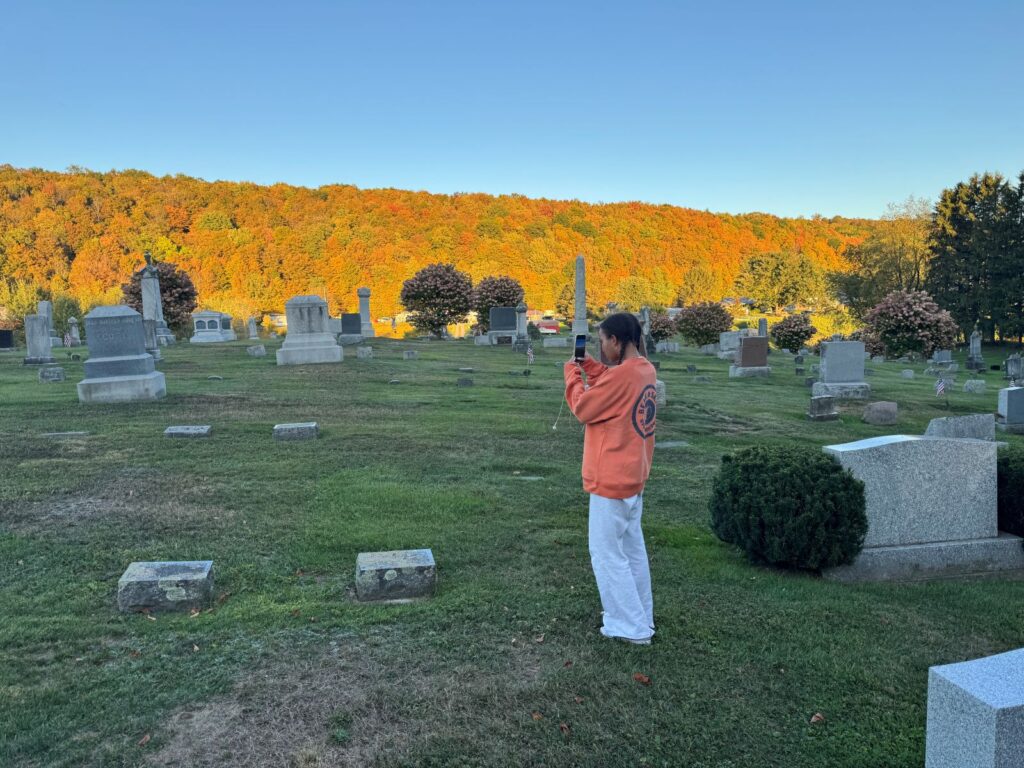
“Autumn Cemetery Landscape” by Jennifer Gayle CC BY-NC 4.0
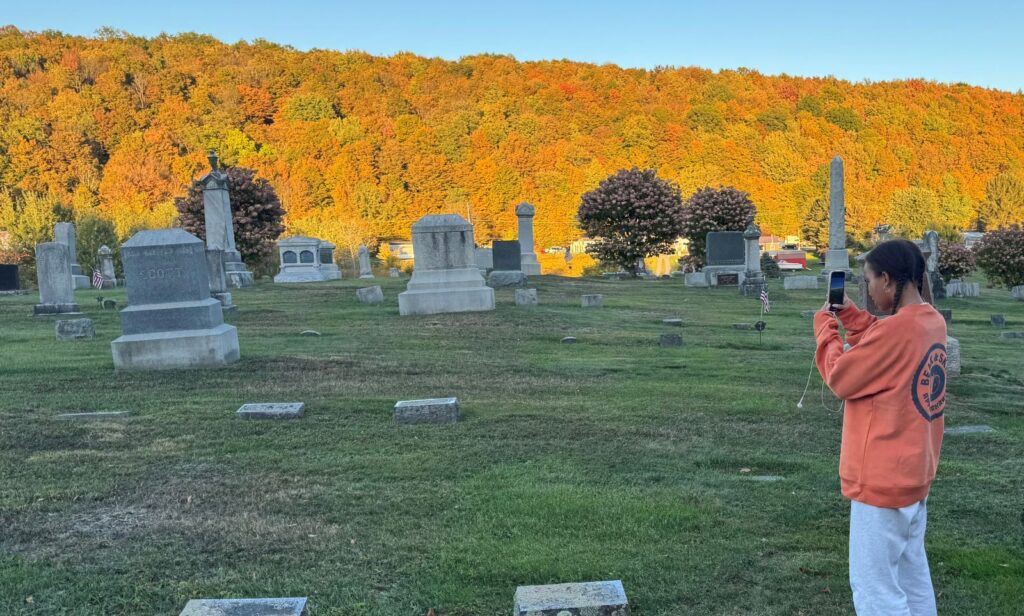
“Autumn Reflection in a Cemetery” by Jennifer Gayle CC BY-NC 4.0

I took this photo during a quiet visit to a cemetery in upstate New York, and I wanted the crop to highlight a reflective moment rather than the entire landscape. In the original image, the subject felt a little lost in the wide scene. Cropping the photo allowed me to shift the focus by placing the subject off center and adjusting the frame for better balance. The final image feels calmer and more intentional, using simple composition choices, such as the rule of thirds and reduced visual distractions, to draw attention to the mood of the moment.

Desert Lollipop

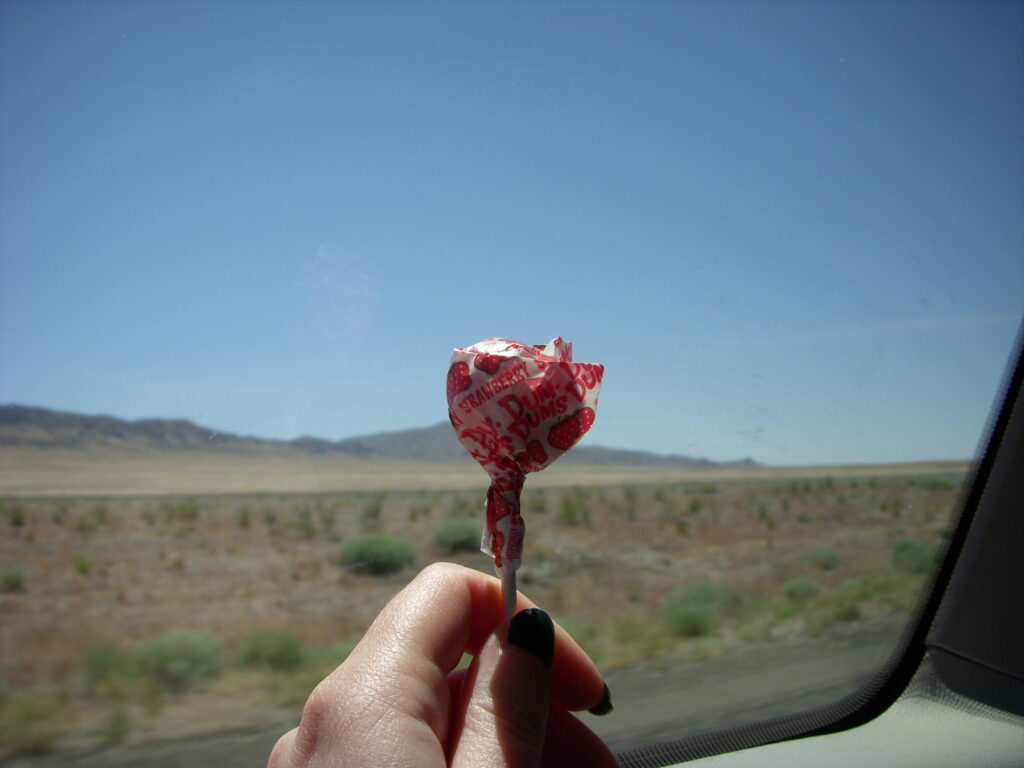
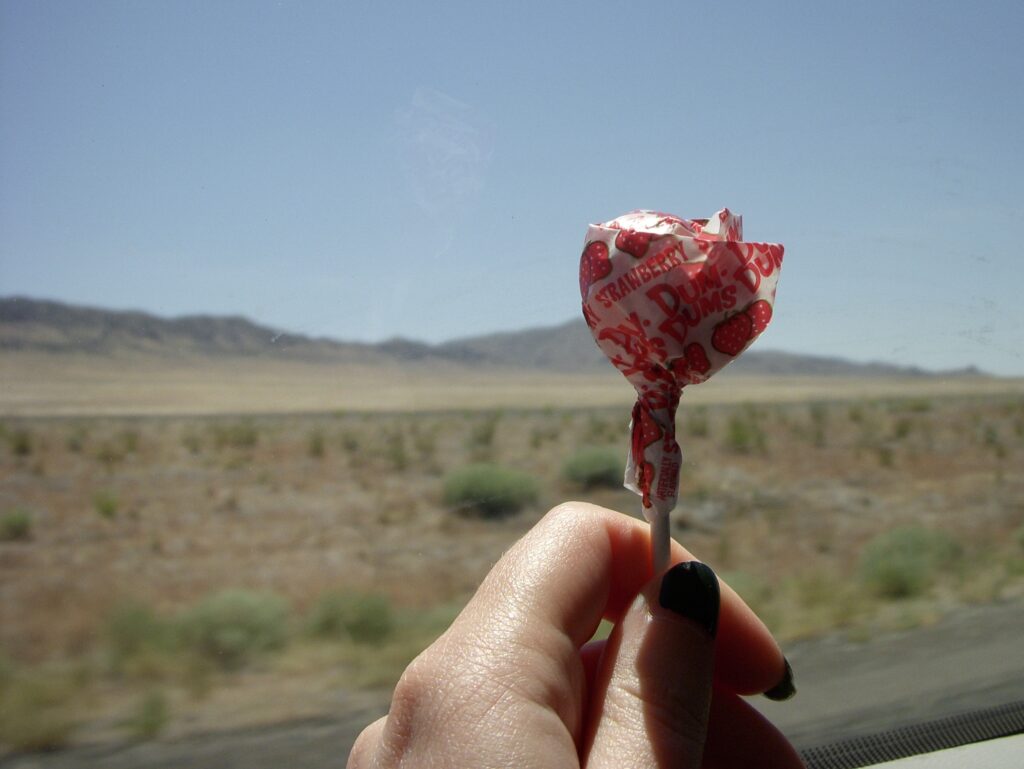
I took the original photo (left) last year while on a trip to Utah. We were driving to the Salt Flats and had plenty of time to kill during the long car ride. I spent a decent portion of that time borrowing my younger brother’s camera and messing around with the different settings. For many pictures, I used my lollipop as a subject.

For the revision of the photo (right), I decided to crop the photo to un-center the lollipop using the rule of thirds. I feel like this actually serves to highlight the lollipop as the subject, even though it’s no longer in the middle. An additional benefit is that it crops out unnecessary details and simplifies the background by getting rid of most of the car window frame in the original picture’s right bottom corner. I also brightened the picture just the tiniest bit. Overall, I think the new photo is much clearer.

Original: “Lollipop Test Image” by Alyssa Mitchinson licensed by CC BY-NC 4.0.

Derivative: “Desert Lollipop” by Alyssa Mitchinson licensed by CC BY-NC 4.0.

Pasture Bedtime

Vaughn Field ME” by Danielle Pluhacek CC BY-NC-ND 4.0
“Pasture Bedtime” by Danielle Pluhacek CC BY-NC-ND 4.0

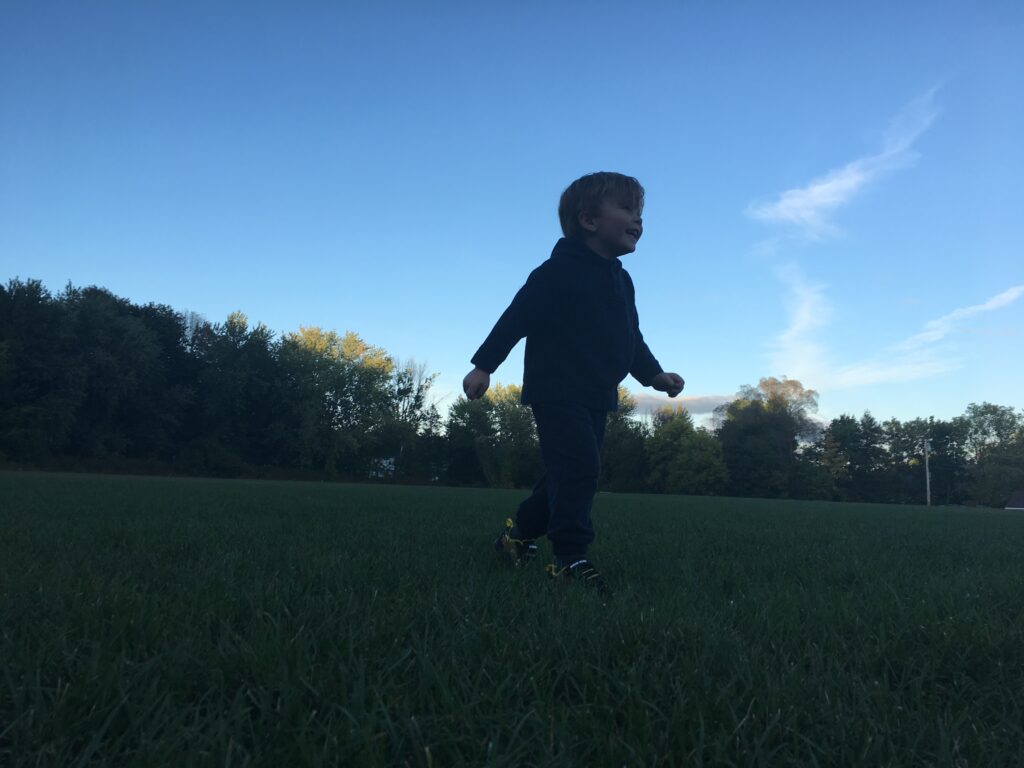
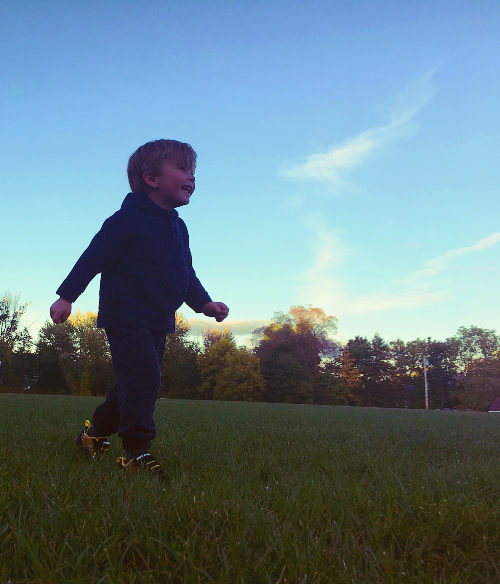
I took this photo (top photo) of my son a decade ago! He was running in a big field attached to the local playground we used to go to when we were in Maine. We would go after dinner to get as much energy out as we could before bed, because at three, there was a lot of extra energy! He was chasing my cousin and had no time to stop for a picture; which was just fine with me because I love a good candid any day. In the photo I took, he was in full motion and he is almost dead center, and because the sun was setting, there was a pretty good shadow on him. I used the rule of thirds to crop, (bottom photo) keeping in mind that he had to have somewhere to run to, so I put him in the upper left so he remains in motion and we still get the point of view that I really wanted. I also added a retro filter to stylize it, which I think enhances the sunset colors dramatically without looking artificial.

Game Night

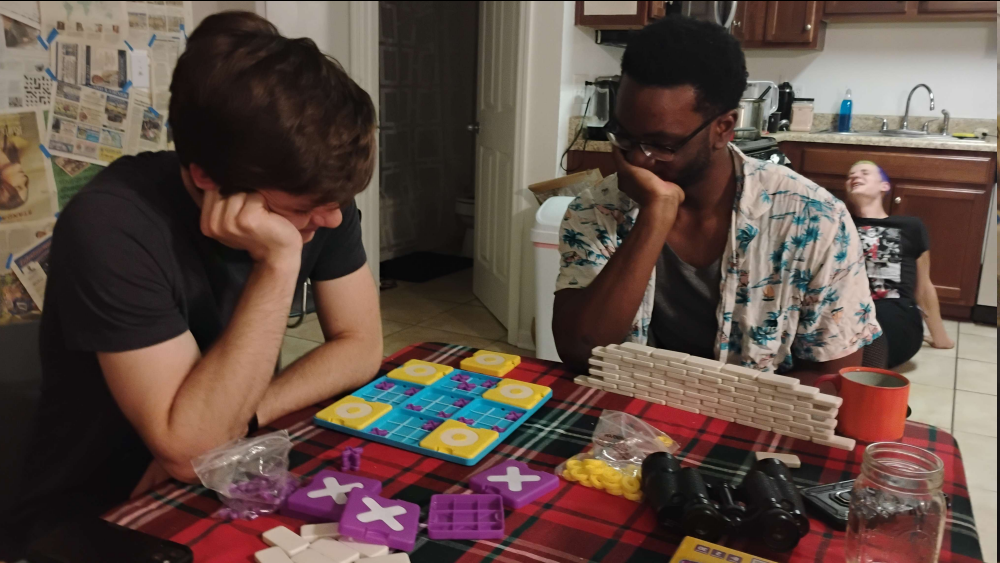
Late Night Sabbath Dinner, by Calvin Whalen, licensed under CC-BY 4.0

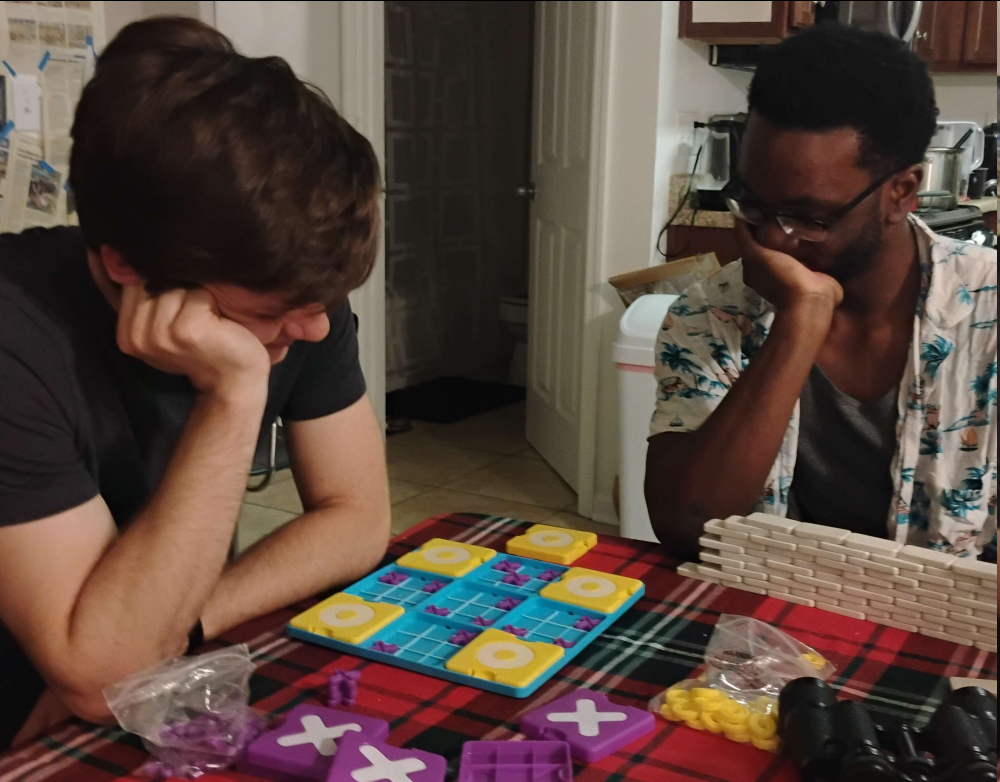
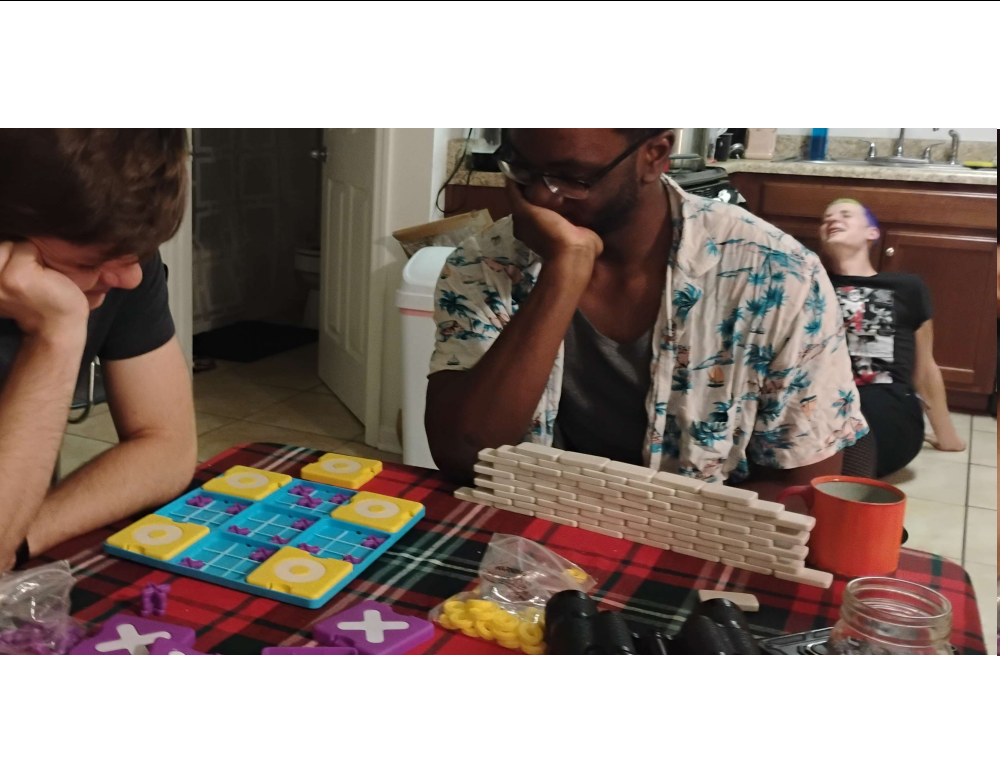
I had to capture a photograph of my roommate losing it at a game of Ultimate Tic-Tac-Toe two of our guests were playing. If you’re familiar with Tic-Tac-Toe at all, you may notice that the X’s player—Carson on the left—is losing considerably. If you’re familiar with Ultimate Tic-Tac-Toe, you should know that under two of those O’s—played by Jorvyn to the right—there was absolutely no contest, which is why Marsh in the back is laughing on the floor. Of course, cropping him out or making him a subject changes the tone of the image.

(left) Hard at Play, by Calvin Whalen, licensed under CC-BY 4.0. (right) Does He Know What He’s Doing?, by Calvin Whalen, licensed under CC-BY 4.0